



Saptarang 2026 – A Cultural Festival Celebrated




Saptarang 2026 – A Cultural Festival Celebrated
Saptarang 2026 – Day 1
Date: 7th January 2026
Event: Saptarang 2026
Theme (Day 1): Royal Indian Day
Introduction: Saptarang 2026 is a vibrant and culturally rich annual college event organized to provide a platform for students to showcase their creativity, talent, and cultural heritage. The first day of Saptarang 2026, celebrated on 7th January 2026, was themed “Royal Indian Day”, highlighting the diversity, traditions, and artistic grandeur of India. The day was filled with enthusiasm, colourful performances, and creative competitions that reflected India’s rich cultural legacy.
Inauguration Ceremony: The event commenced with a grand inauguration ceremony, marking the formal beginning of Saptarang 2026. The ceremony began with a traditional welcome, followed by the lighting of the ceremonial lamp, symbolizing knowledge, positivity, and prosperity. Faculty members, organizers, and student representatives addressed the gathering, emphasizing the importance of cultural events in holistic student development. The inauguration set a vibrant and enthusiastic tone for the day’s celebrations.
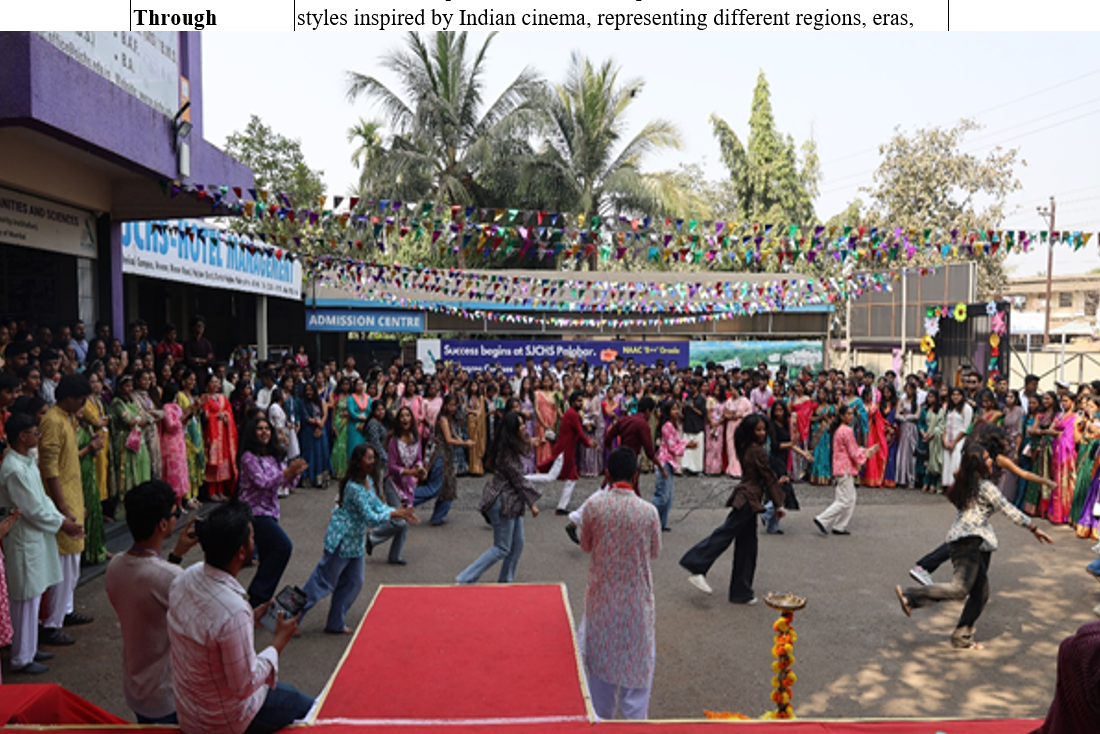
Flash Mob Performance: Soon after the inauguration, an energetic flash mob performance captivated the audience. Students surprised the crowd with synchronized dance moves performed to a fusion of Indian music. The flash mob successfully created excitement and drew attention, instantly energizing the atmosphere and engaging participants and spectators alike.
Mehndi Designing Competition: The Mehndi Designing event provided students with an opportunity to exhibit their artistic skills and creativity. Participants designed intricate and elegant mehndi patterns inspired by traditional Indian motifs. The competition highlighted precision, creativity, and cultural aesthetics. The detailed designs and enthusiastic participation made this event one of the most admired activities of the day.
Diya Decoration Competition: The Diya Decoration competition celebrated Indian traditions and festive artistry. Participants decorated diyas using colours, stones, beads, and other decorative materials. Each diya reflected creativity and cultural symbolism. The beautifully decorated diyas showcased the students’ imagination and reverence for Indian traditions.
Food Art Competition: The Food Art event added a unique and creative flavour to the day. Participants used food items to create visually appealing presentations that represented Indian culture and royalty. The event emphasized creativity, presentation skills, and originality. The artistic arrangements amazed the judges and audience, making the competition both innovative and entertaining.
Ramp Walk – “Culture Through Cinema”: The highlight of Day 1 was the Ramp Walk themed “Culture Through Cinema.” Participants walked the ramp dressed as iconic characters or styles inspired by Indian cinema, representing different regions, eras, and cultural traditions of India. Each participant confidently showcased attire influenced by Bollywood and regional films, reflecting India’s cinematic journey and cultural diversity. The ramp walk was met with loud applause and appreciation from the audience.
Saptarang 2026 – Day 2
Date: 8th January 2026
Event: Saptarang 2026
Theme (Day 2): Colour Carnival Day & Rose Day
Introduction: The second day of Saptarang 2026, held on 8th January 2026, was celebrated as Colour Carnival Day and Rose Day. The campus was filled with joy, colours, music, and expressive performances. Students actively participated in various cultural events, creating a lively and vibrant atmosphere. The theme symbolized happiness, friendship, creativity, and unity among students.
Colour Carnival Celebration: The Colour Carnival marked the beginning of Day 2 with a lively and cheerful atmosphere. Students dressed in colourful outfits, spreading positivity and excitement across the campus. The celebration reflected togetherness and youthful energy, creating a festive environment that encouraged participation and interaction among students.
Rose Day Celebration: Along with the Colour Carnival, Rose Day was celebrated to express emotions such as friendship, love, and respect. Students exchanged roses of different colours, each symbolizing unique feelings. This celebration added warmth and emotional connection to the event, strengthening bonds among students and faculty members.
Singing Competition: The Singing Competition featured melodious performances by talented participants. Students showcased their vocal abilities through classical, semi-classical, and contemporary songs. Judges evaluated performances based on voice quality, rhythm, and overall presentation. The competition was highly appreciated and thoroughly enjoyed by the audience.
Dance Competition (Solo and Group): The Dance Competition was one of the most energetic events of the day. Participants performed solo and group dances in classical, folk, and western styles. Their synchronization, expressions, and enthusiasm captivated the audience. Group performances especially highlighted teamwork and coordination.
Certificate Distribution Ceremony: The day concluded with the Certificate Distribution Ceremony. Winners of various competitions were awarded certificates.
Strong Cultural Representation: The well-planned themes like Royal Indian Day, Colour Carnival, and Rose Day effectively showcased India’s cultural diversity, traditions, and artistic heritage. Time and Resource Constraints: Managing multiple events across two days may have limited rehearsal time and individual attention for participants.
Expansion into Inter-College Events: Saptarang can be expanded to include participants from other colleges, increasing exposure and competitiveness.
Logistical Challenges: Large-scale events with many activities may face risks related to crowd management, scheduling conflicts, or technical issues.
High Student Participation & Engagement: A wide range of events (dance, singing, ramp walk, art competitions) ensured active involvement, enthusiasm, and talent display by students. Skill Development & Branding: Such cultural platforms can be used to nurture leadership, teamwork, and event-management skills while strengthening the institution’s cultural identity.