



SciConnect 2026 - National Science Day Celebrated

SciConnect 2026 – National Science Day Celebrated
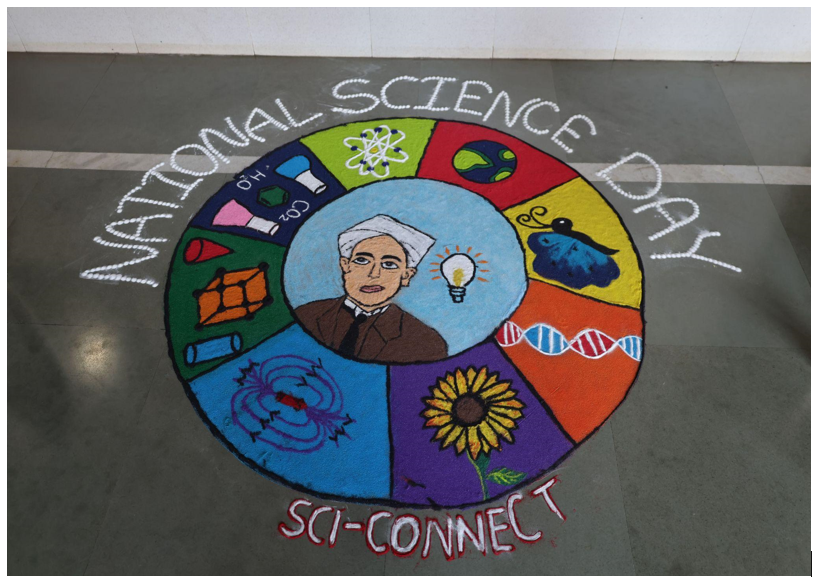
As an Academic & Co-curricular activity A National Science Day Celebrated with the name SciConnect 2026 on 8/02/2026 from 09:00 a.m. to 04:00 p.m. by epartment of Science in Classrooms, Laboratories & Event Hall, 3rd Floor in St. John College of Humanities and Sciences. Beneficiaries of this programme were Junior College, Undergraduate, and students from nearby colleges.
Date & Time: 28/02/2026, 09:00 a.m. to 04:00 p.m.
Department / Committee: Department of Science
Venue: Classrooms, Laboratories & Event Hall, 3rd Floor, St. John College of Humanities and Sciences
Beneficiaries: Junior College, Undergraduate, and students from nearby colleges
Nature of Activity: Academic & Co-curricular
Mode of Activity: Offline
Name of Activity: In-Charge Mr. Ameer Shaikh and Mrs. Namrata Jha
Objectives:
● To promote scientific temper and curiosity among students.
● To encourage innovation, critical thinking, and research-oriented learning.
● To provide a platform for interdisciplinary scientific engagement.
● To develop communication, leadership, and analytical skills through competitive activities.
● To increase awareness and interest in science education and scientific careers.
Deatails of Participation each events:
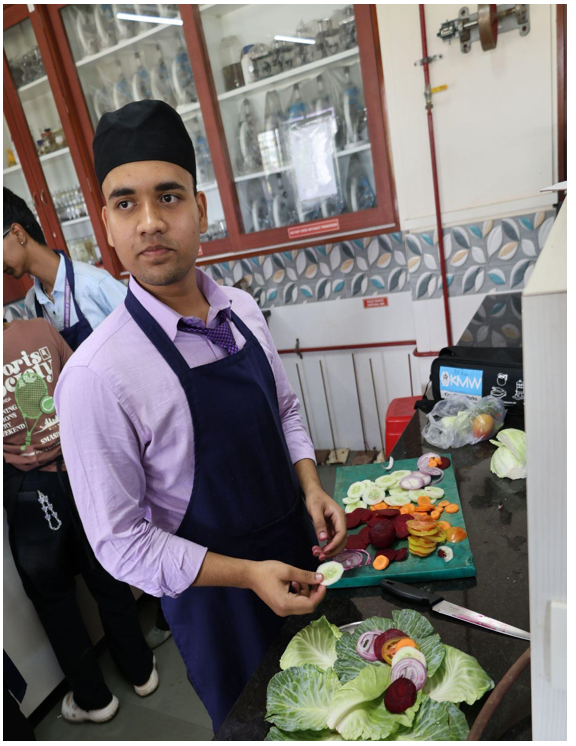
Sustainable Bites: 12 Groups (24 Participants)
Digital Poster Presentation: 12 Participants
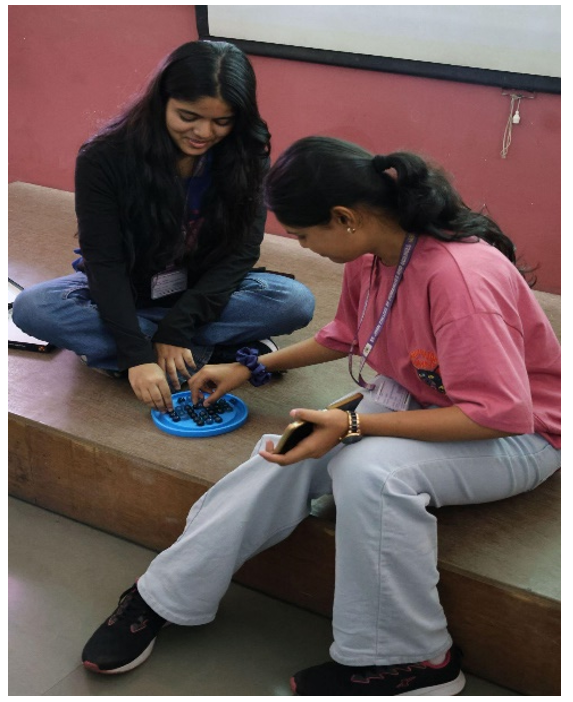
Mathematics Battle; 12 Participants
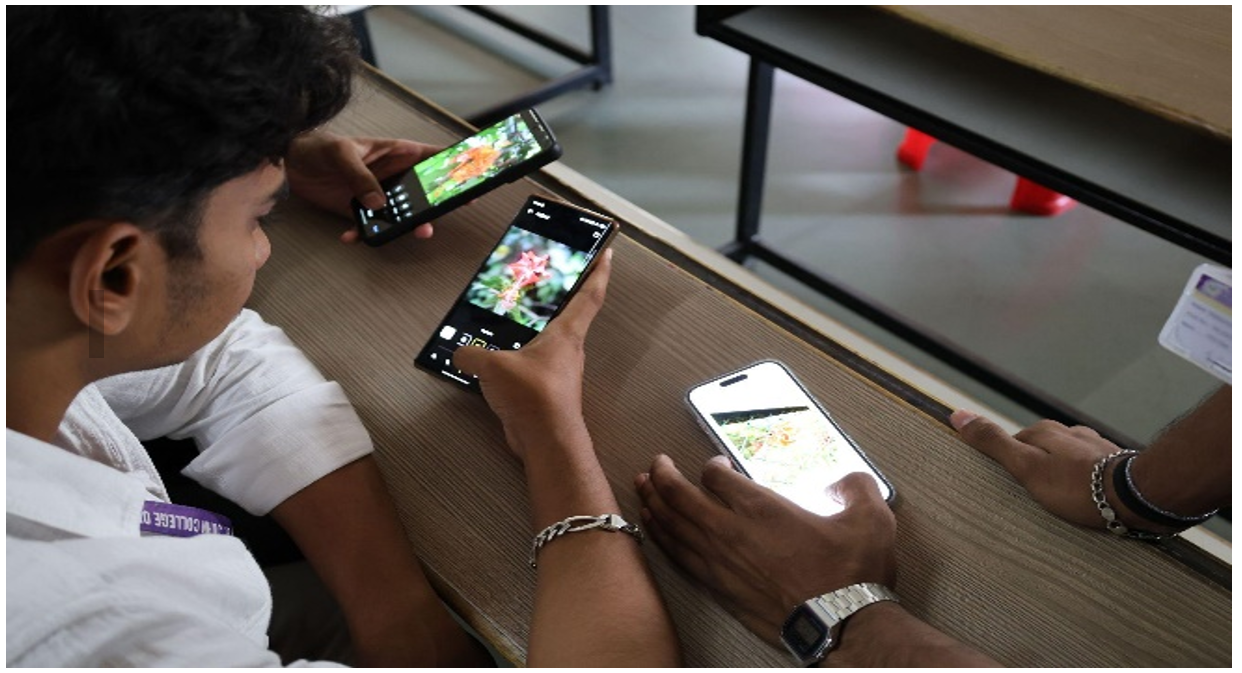
Plant Photography: 34 Participants
Science Quiz Competition: 16 Teams (30 Participants)
Scientific Debate Competition: 6 Teams (12 Participants)
Total Participants: 124
Event-wise Highlights
Sustainable Bites: Participants prepared creative food dishes without using fire while explaining the scientific principles behind food preparation, nutrition, and sustainability. The activity encouraged innovation, food science awareness, and eco-friendly practices.
Digital Poster Presentation: Students presented digital posters on scientific themes, demonstrating their understanding of scientific concepts through visual communication, data representation, and concise explanation.
Mathematics Battle: Participants solved mathematical challenges that tested their logical thinking, problem-solving ability, and speed in forming equations using given numbers.
Plant Photography: Students captured scientifically relevant photographs of plant structures such as leaves, venation, flowers, and botanical patterns, promoting observation skills and appreciation of plant diversity.
Science Quiz Competition: A multi-round quiz competition tested participants on general science, current scientific developments, logical reasoning, and interdisciplinary knowledge.
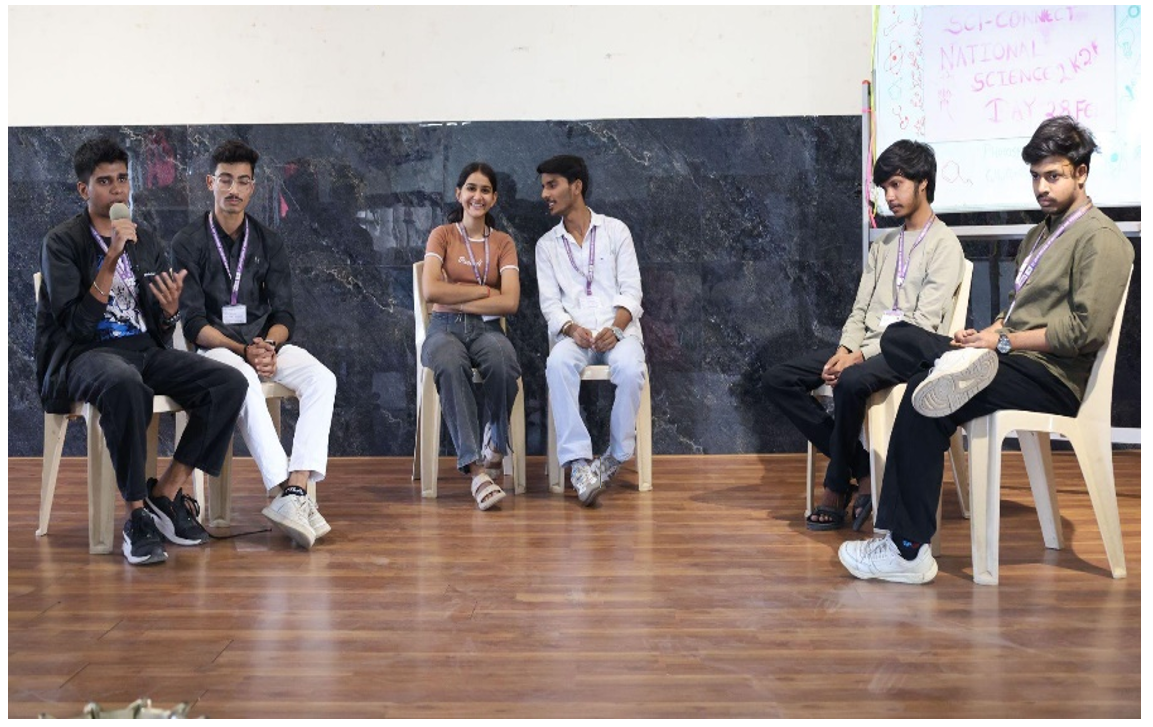
Scientific Debate Competition: Teams debated on science-related topics, encouraging evidence-based arguments, critical thinking, and effective communication of scientific ideas.
Outcomes:
● Students developed a practical understanding of scientific concepts through participation in various competitions.
● The event encouraged innovation, creativity, and analytical thinking.
● Participants improved their communication, teamwork, and leadership skills.
● Interdisciplinary collaboration and interest in scientific learning were strengthened.
● The event successfully created enthusiasm and awareness about science among students from different academic backgrounds.
SWOT Analysis of the Event
Strengths:
● High student engagement and enthusiastic participation
● A variety of interdisciplinary science activities
● Strong coordination among faculty and student volunteers
● Platform for creativity, innovation, and scientific discussion
Weaknesses:
● Time constraints between certain activities
● Limited infrastructure for multiple events simultaneously
● Need for more technical support during peak sessions
Opportunities:
● Potential to develop SciConnect as an annual flagship intercollegiate science festival
● Scope for collaboration with research institutions and industry experts
● Opportunity to increase participation from more colleges
Threats:
● Academic schedule conflicts for participating institutions
● Resource limitations for large-scale events
● Possible logistical challenges in multi-event coordination