loader image

Faculty Development Program (FDP) on Innovative Pedagogy was conducted
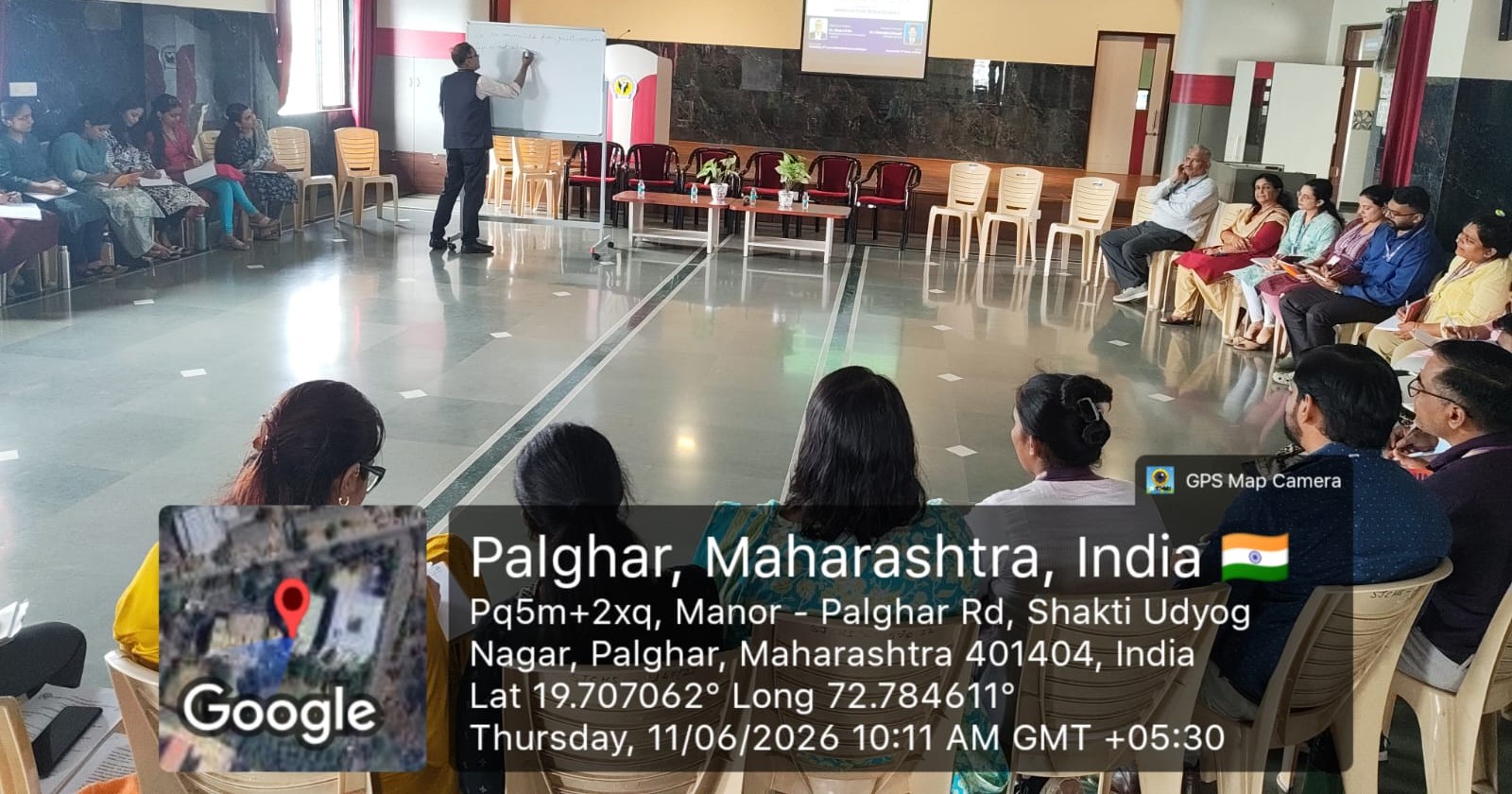
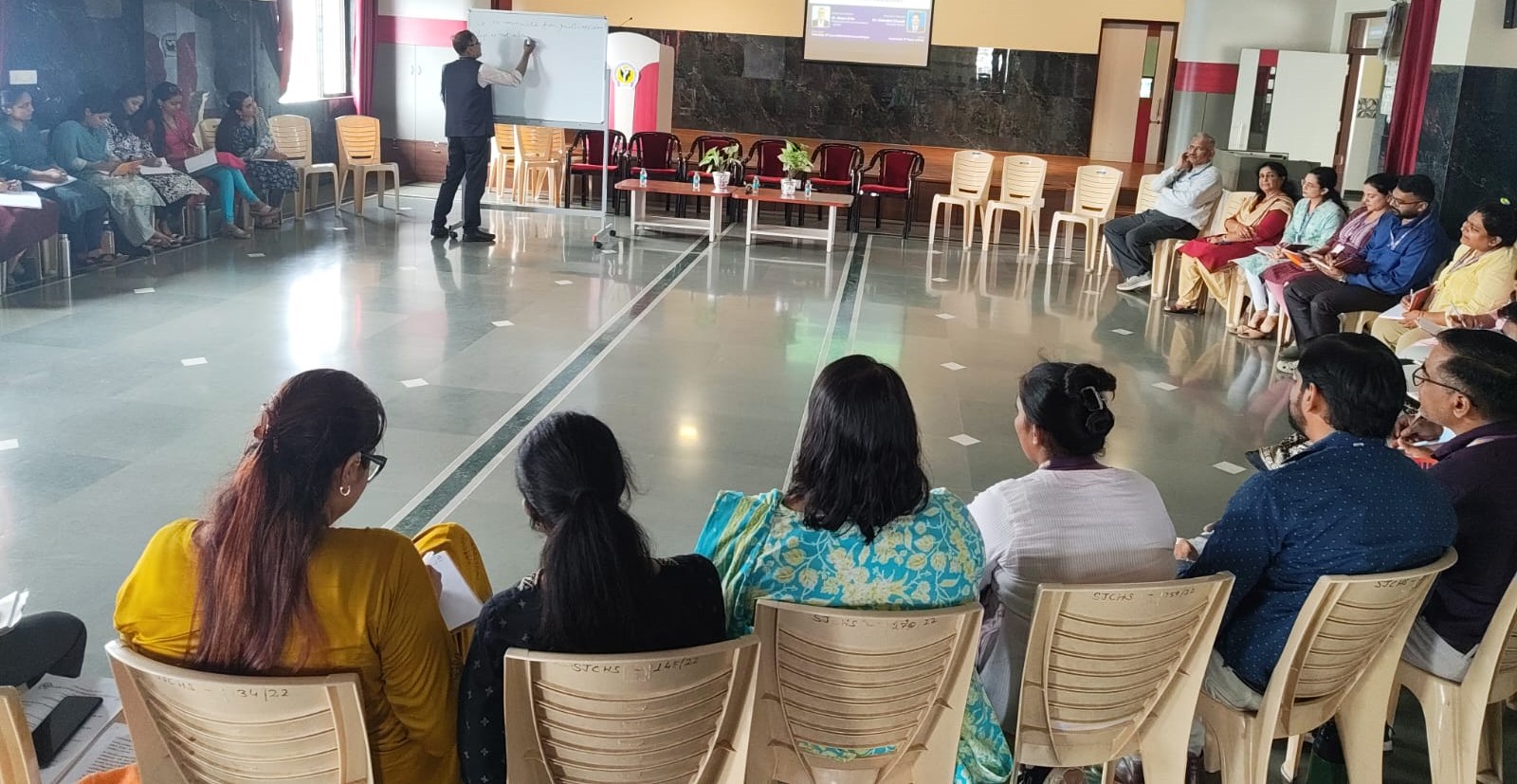
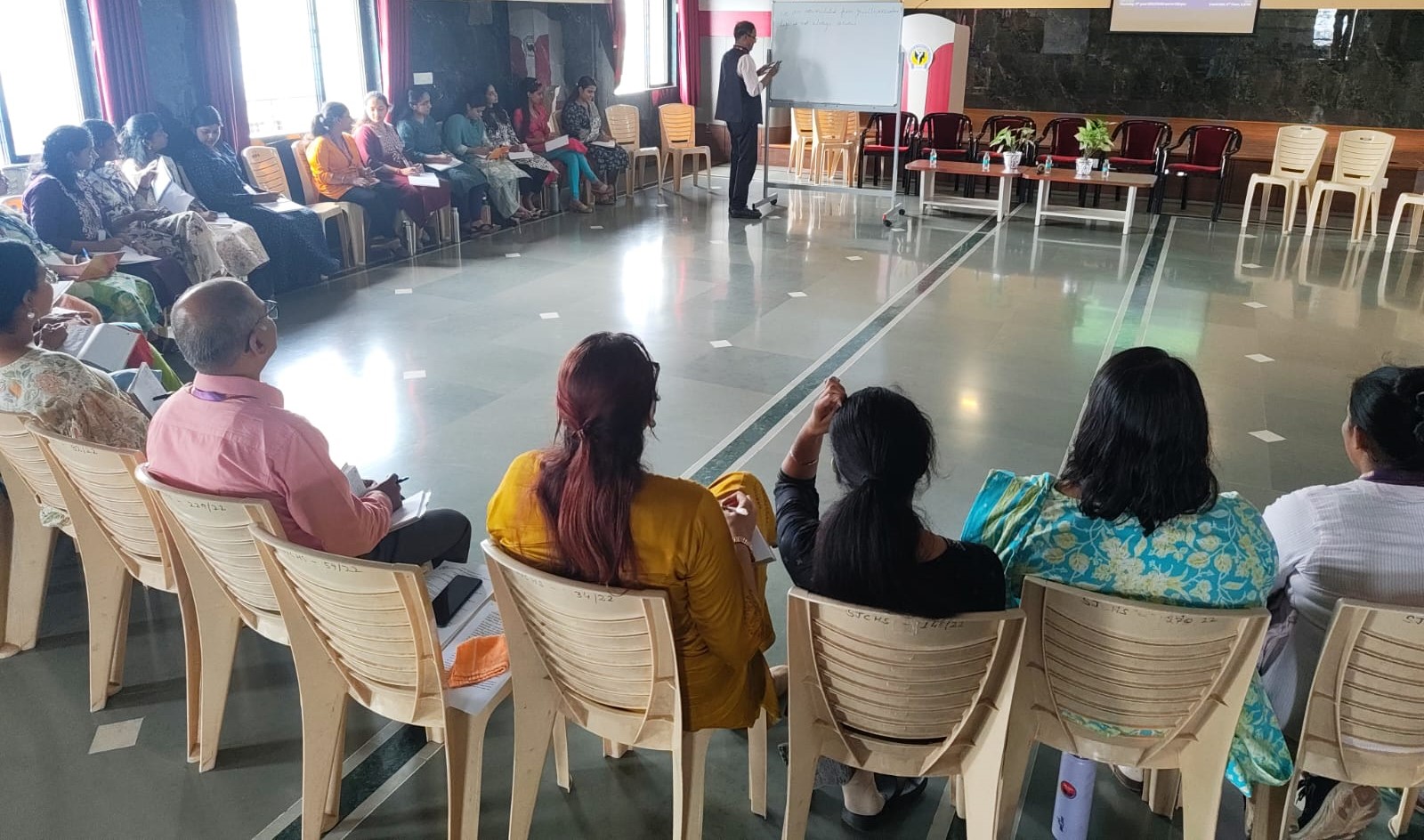
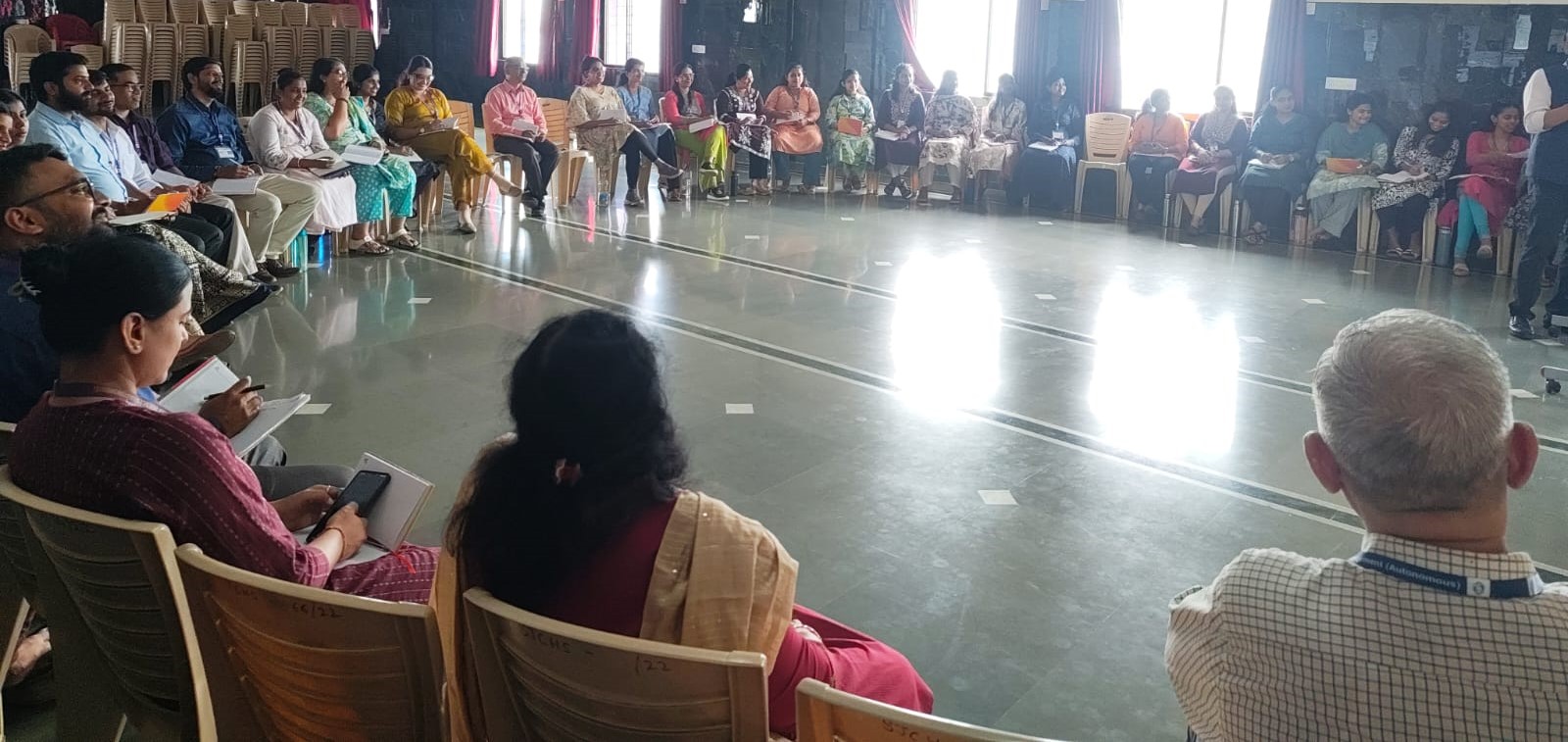
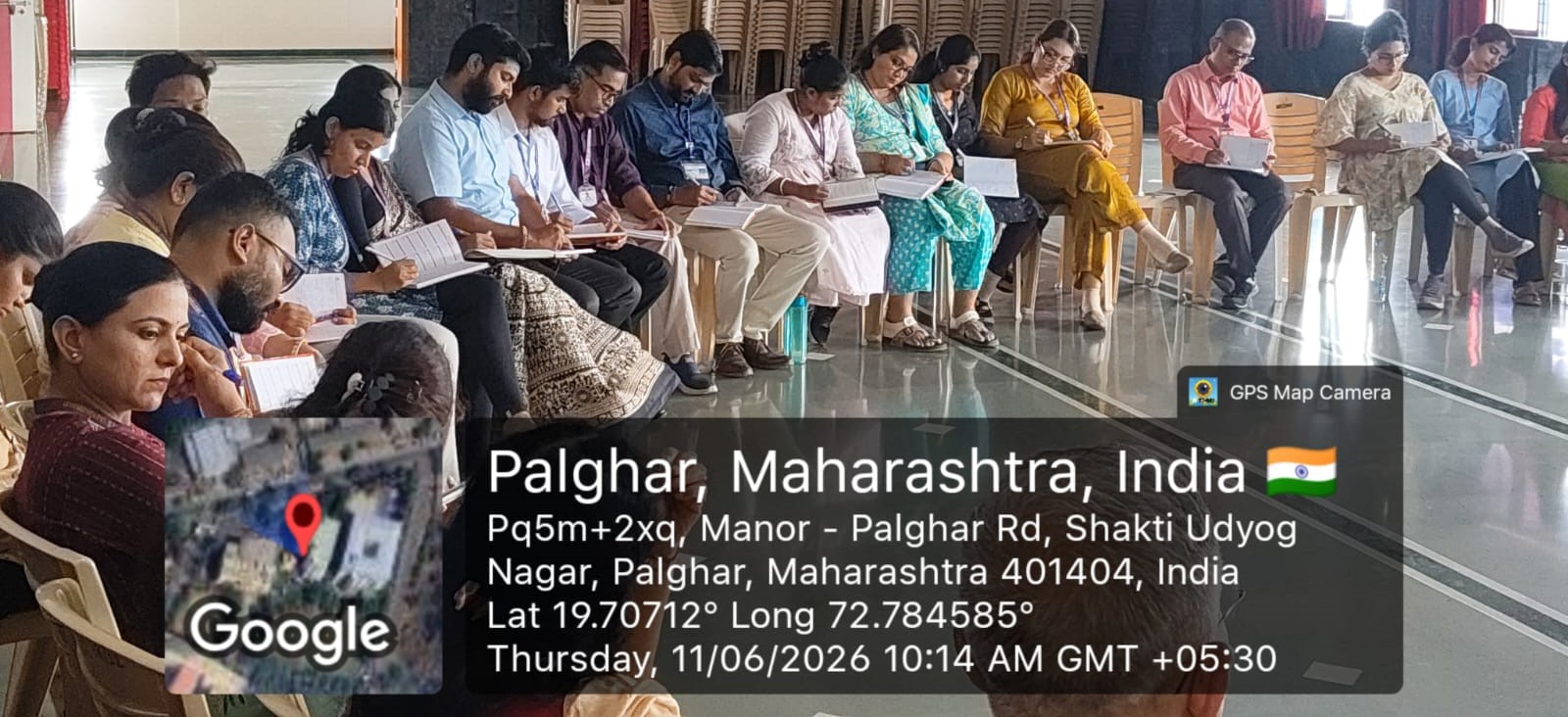
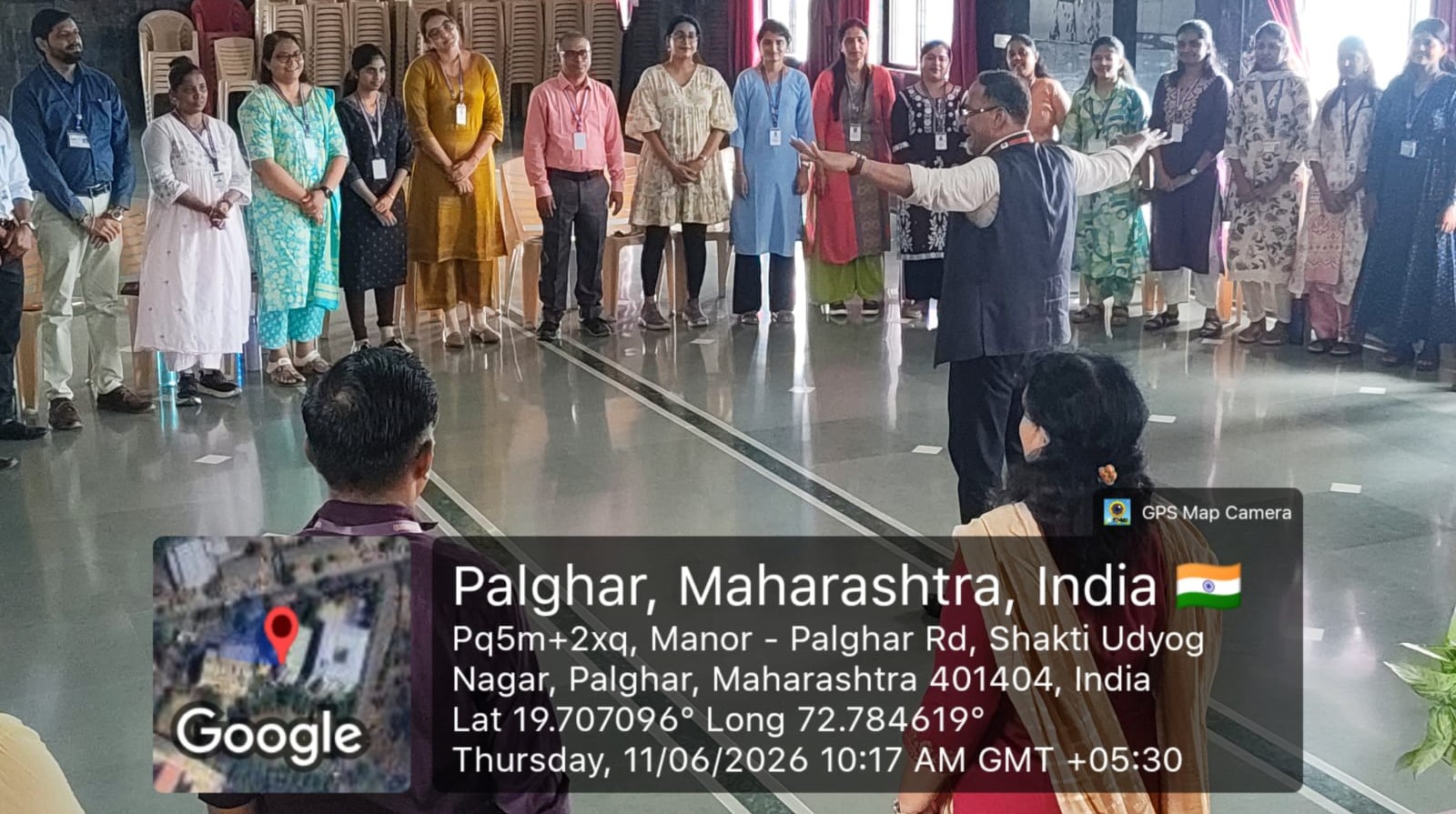
The Faculty Development Program (FDP) on Innovative Pedagogy was conducted successfully on 11th June 2026 at the 6th Floor Event Hall of SJCHS. The session aimed at enriching teaching practices and encouraging educators to adopt creative and student-centric approaches in the classroom.
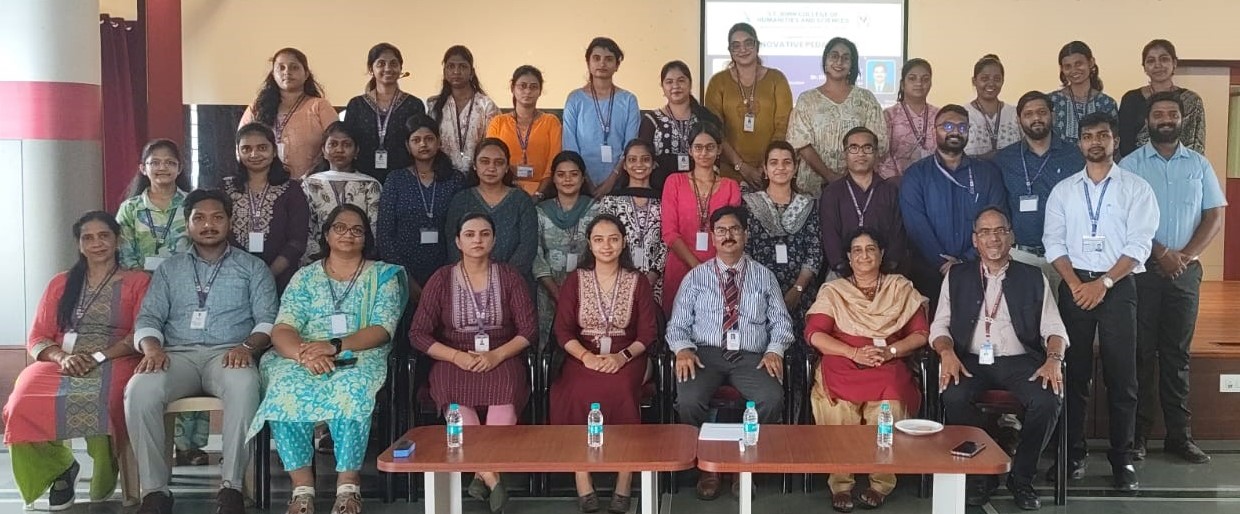
SESSION 1

The program commenced with a warm welcome address by the FDP Coordinator, Mr. Ameer S. Shaikh, who introduced the resource person, Dr. Alyn D’Sa, highlighting his expertise and contribution in the field of education. The resource person was graciously facilitated by the Principal, Dr. Muktha Manoj Jacob.

Dr. Alyn D’Sa delivered an engaging and thought-provoking session focusing on the art of storytelling as an effective pedagogical tool. Using simple, relatable, and everyday examples, he demonstrated how storytelling can make lectures more interactive, meaningful, and memorable for students.

He emphasized that storytelling is not limited to literature but is an inherent part of human communication. According to him, every individual is a storyteller, and teachers can use this natural ability to connect better with students. He explained that storytelling helps in simplifying complex concepts, making learning more relatable and engaging.

Dr. Alyn D’Sa also shared several reflective statements and explained their deeper meaning in the context of teaching and life:

  • “We have accumulated fears, guilt, and anxiety” – He highlighted that both teachers and students often carry emotional burdens, which can affect the learning environment. A positive and understanding approach can help ease these pressures.

  • “Life is not always serious” – He encouraged educators to bring lightness and humor into their teaching, as a relaxed environment enhances learning and participation.

  • “We are all storytellers” – This statement reinforced the idea that communication through stories is natural to humans and can be effectively used in teaching to create lasting impressions.

  • “The largest aptitude for humans is lies” – He explained this in the context of imagination and creativity, suggesting that humans have a unique ability to create narratives, which can be channelled positively in education.

  • “Teachers and students are partners in learning” – He stressed that learning is a collaborative process, where both teachers and students contribute actively rather than functioning in rigid roles.

  • “Classroom is not a platform to show off our knowledge” – Teaching should not be about displaying knowledge, but about facilitating understanding and encouraging curiosity among students.

  • “It is neither the teacher nor the student who makes an excellent class, but the constant communication between them” – Effective interaction and open communication are the key elements of a successful learning experience.

  • “Life is neither white nor black but grey and various shades of grey” – He emphasized the importance of perspective, flexibility, and understanding complexity, both in life and in teaching.

The session was highly interactive and insightful, leaving the participants with practical ideas to enhance their teaching methodologies. It encouraged educators to adopt a more empathetic, creative, and communicative approach in the classroom.

The program concluded on a positive note, with participants gaining valuable insights into innovative pedagogy and the significance of storytelling in education.

SESSION 2
Date: 11th June 2026
Venue: 6th Floor Event Hall, SJCHS
Time: 11:30-01:30 p.m.

The Faculty Development Program (FDP) on Innovative Pedagogy was conducted successfully on 11th June 2026 at the 6th Floor Event Hall of SJCHS. The session aimed to enrich teaching practices and encourage faculty members to adopt creative, engaging, and student-centered approaches in their classrooms.
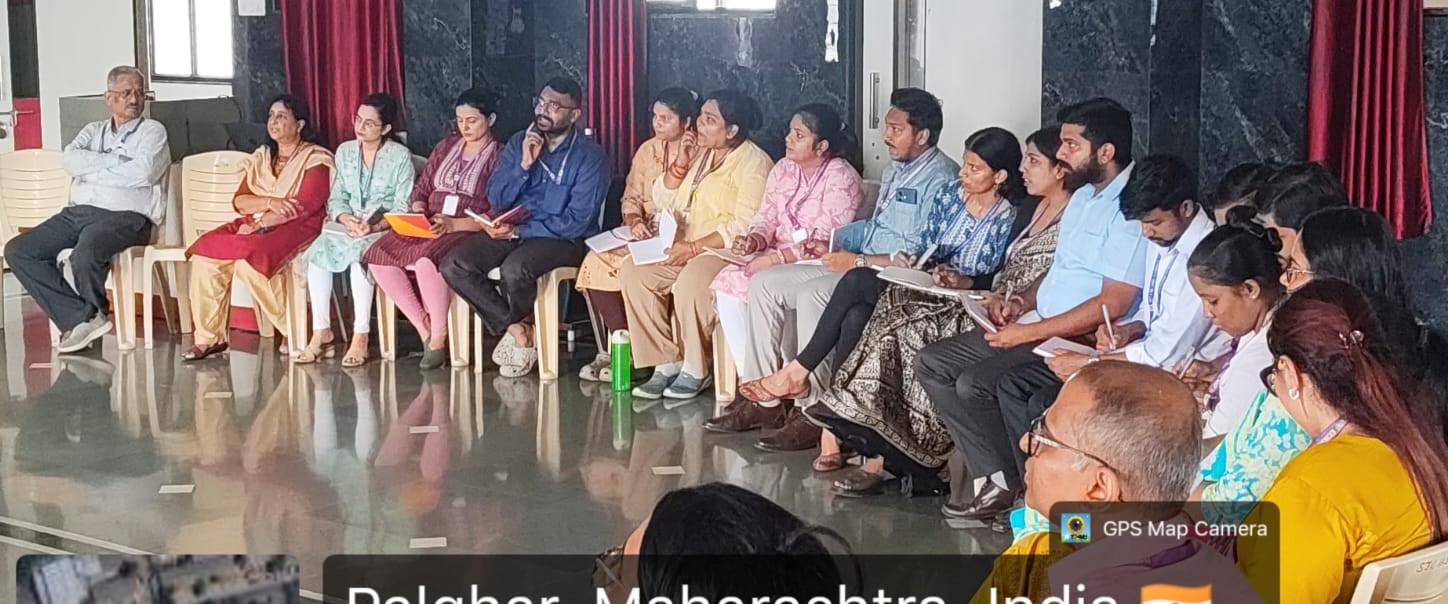
The program began with a warm welcome address by Ms. Vidhi Dhani, who introduced the resource person, Dr. Chandan Chavdi, highlighting his expertise and valuable contributions in the field of education. The resource person was graciously felicitated by the Principal, Dr. Muktha Manoj Jacob.

Dr. Chavdi initiated the session with a thought-provoking question: “Why do undergraduate students disengage in the classroom?” This question set the tone for an interactive discussion, encouraging participants to reflect on their own teaching practices and student experiences. He explained that disengagement often arises when teaching methods remain one-dimensional, lack interaction, or fail to connect with students’ real-life experiences.

To address this, Dr. Chavdi introduced a wide range of 22 innovative pedagogical methods and explained how each can be effectively implemented in the classroom in simple and practical ways:

  • Think–Pair–Share: Students first think individually, then discuss with a partner, and finally share with the class, promoting active participation.

  • Flipped Classroom: Students study content at home and use classroom time for discussion and problem-solving.

  • Gamification: Learning is made fun by incorporating games, points, or challenges to increase motivation.

  • Problem-Based Learning: Students learn concepts by solving real-life problems, enhancing critical thinking.

  • Experiential Learning: Learning through hands-on experiences and activities rather than only theory.

  • Case Method: Real-life cases are discussed to develop analytical and decision-making skills.

  • Role Play: Students act out scenarios to better understand concepts and perspectives.

  • Peer Teaching and Teach-Back: Students explain topics to each other, reinforcing their own understanding.

  • Inquiry-Based Learning: Encouraging students to ask questions and explore answers independently.

  • Socratic Questioning: Using thoughtful questioning to deepen understanding and stimulate critical thinking.

  • Collaborative Learning: Students work together in groups to achieve common learning goals.

  • Jigsaw Method: Each student learns a part of the topic and teaches it to others, promoting teamwork.

  • Microlearning: Delivering content in small, focused segments for better retention.

  • Blended Learning: Combining traditional teaching with digital tools and online resources.

  • AI-Assisted Learning: Using artificial intelligence tools to personalize and support learning.

  • Design Thinking: Encouraging creativity and problem-solving through structured thinking processes.

  • Debate: Students discuss and argue different viewpoints, improving communication and reasoning skills.

  • Reflective Learning: Students think about what they have learned and how they learned it.

  • Universal Design for Learning: Designing lessons that are accessible and inclusive for all students.

  • Retrieval Practice: Regularly recalling information to strengthen memory and understanding.

  • Formative Assessment: Continuous assessment to monitor learning and provide feedback.

  • Place-Based Learning: Connecting learning to the local environment and real-world context.

Dr. Chavdi explained these methods in a simple and relatable manner, making it easier for faculty members to understand how they can be incorporated into everyday teaching. The session was highly interactive, with participants actively engaging in discussions and reflecting on their own classroom practices.

The program concluded on an insightful note, inspiring educators to move beyond traditional lecture methods and adopt innovative strategies that make learning more meaningful, interactive, and student-friendly.


Copyrights © 2023 All Rights Reserved — St. John College of Humanities & Science

"

Our Visitors

0 3 0 7 4 8
"