



30 Hour Value Added Certificate Course on Interpersonal Skills and Career Opportunities
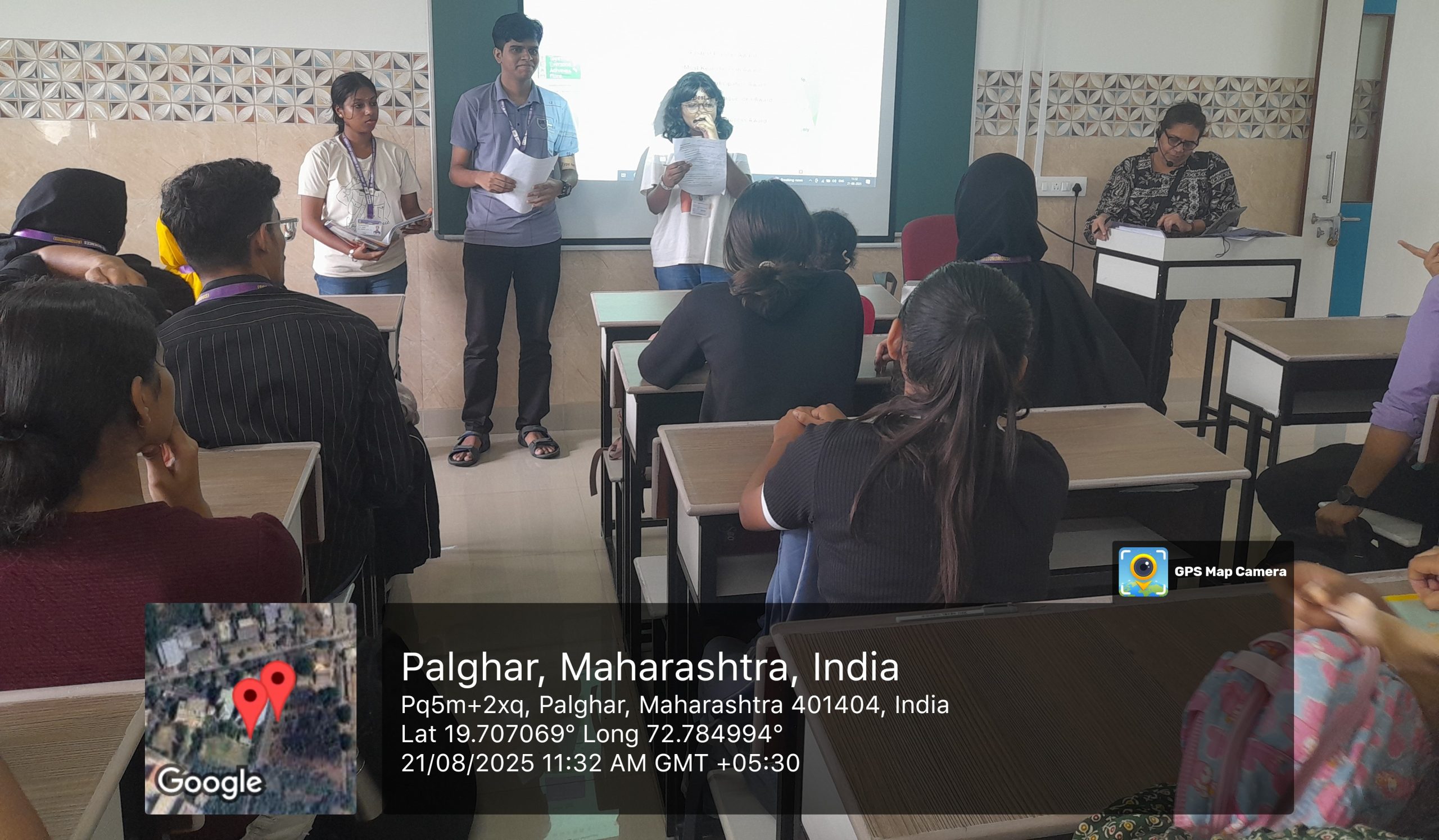
30Hour Value Added Certificate Course on Interpersonal Skills and Career Opportunities
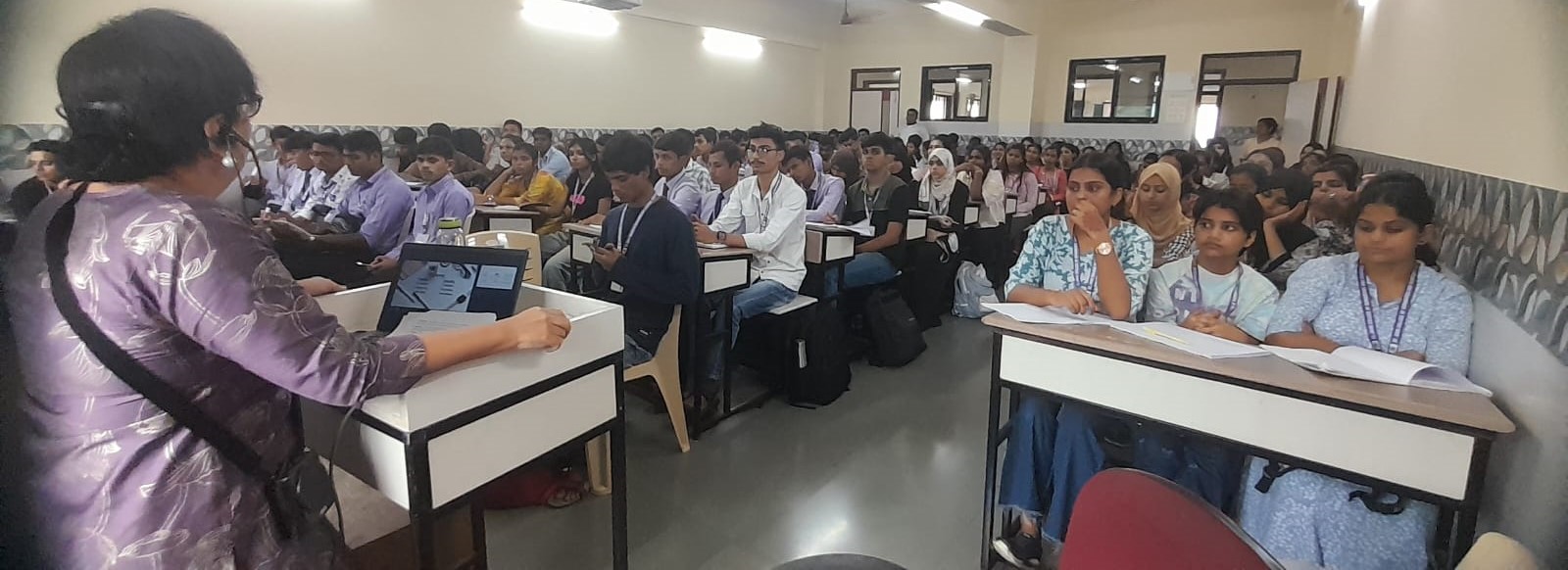
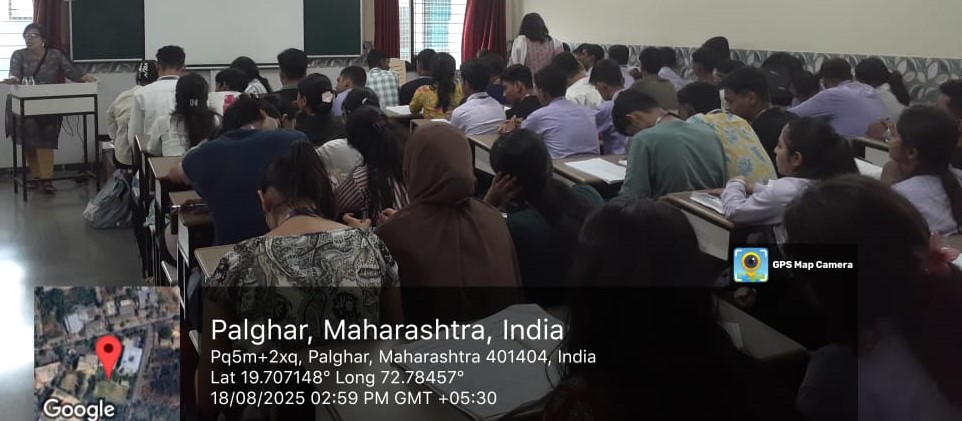
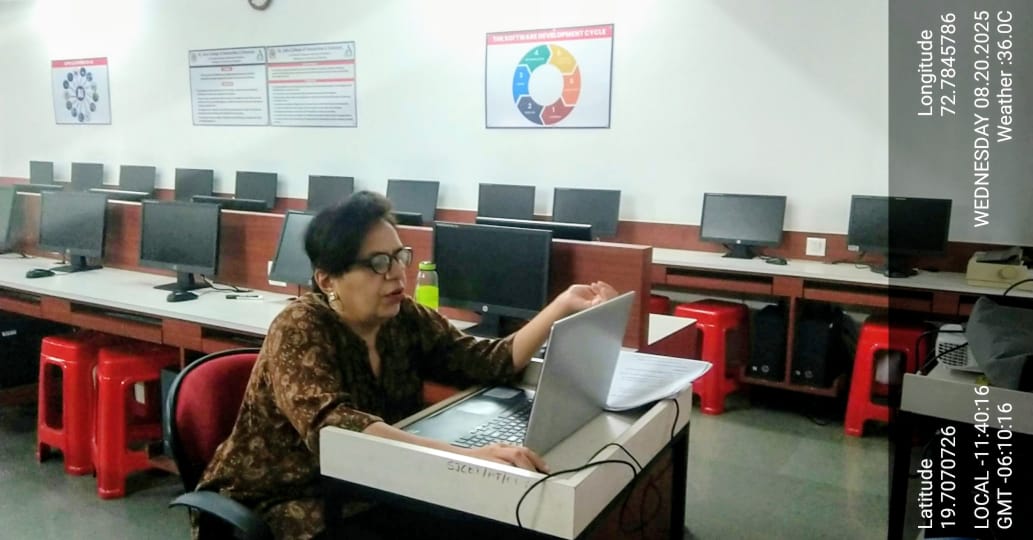
30Hour Value Added certificate Course for six days on Interpersonal Skills and Career Opportunities was organized by BA Department from 18-Aug-2025 to 25 Aug-2025 in the campus. Ms. Nimisha Baweja was the resource person. 49 students benefited from this certificate course
Date: 18/08/2025 to 25/08/2025
Resource Person: Ms. Nimisha Baweja, Global Recruiter & Founder – Dignity Consultants, Palghar, Recruitment Business Partner – Six Degrees Diversity Counsel
Organized by: BA Department
Total No. of Participants: 49
Venue: Classroom 410, Pharmacy Building (St. John College of Humanities and Sciences)
Duration: 10 am to 3:20pm
1. Introduction: The six-day certificate Course on Interpersonal Skills and Career Opportunities was organized with the aim of equipping students with practical communication strategies, emotional intelligence, team collaboration, and career-oriented skills. The sessions were carefully designed to balance theory with practice through a variety of interactive activities including group discussions, debates, role-plays, podcasts, public speaking exercises, case studies, and assessments. The resource persons integrated real-world insights with engaging methodologies to ensure students not only gained conceptual knowledge but also applied their learning in simulated professional contexts.
2. Objectives: The seminar was conducted with the following objectives:
- To develop effective communication skills, covering verbal, non-verbal, and written aspects.
- To enhance critical thinking, analytical ability, and problem-solving through discussions and case studies.
- To promote teamwork, leadership, and collaboration among students through structured activities.
- To strengthen public speaking and presentation skills, while addressing common fears and challenges.
- To foster emotional awareness, stress management, and resilience for personal and professional growth.
- To prepare students for career opportunities through practice in interviews, group discussions, and professional etiquette.
3. Highlights:
Day 1: Focused on the basics of communication – differences between talking and speaking, strategies for reading comprehension, active listening, and non-verbal communication. Students practiced self-introductions, cover letter writing, and business correspondence formats. They were given reading comprehension samples to solve. They were also asked to listen to a video and later their listening was checked. The resource person provided them hands-on training to prepare resume as well as other types of letters such as enquiry letter and sales letters etc.
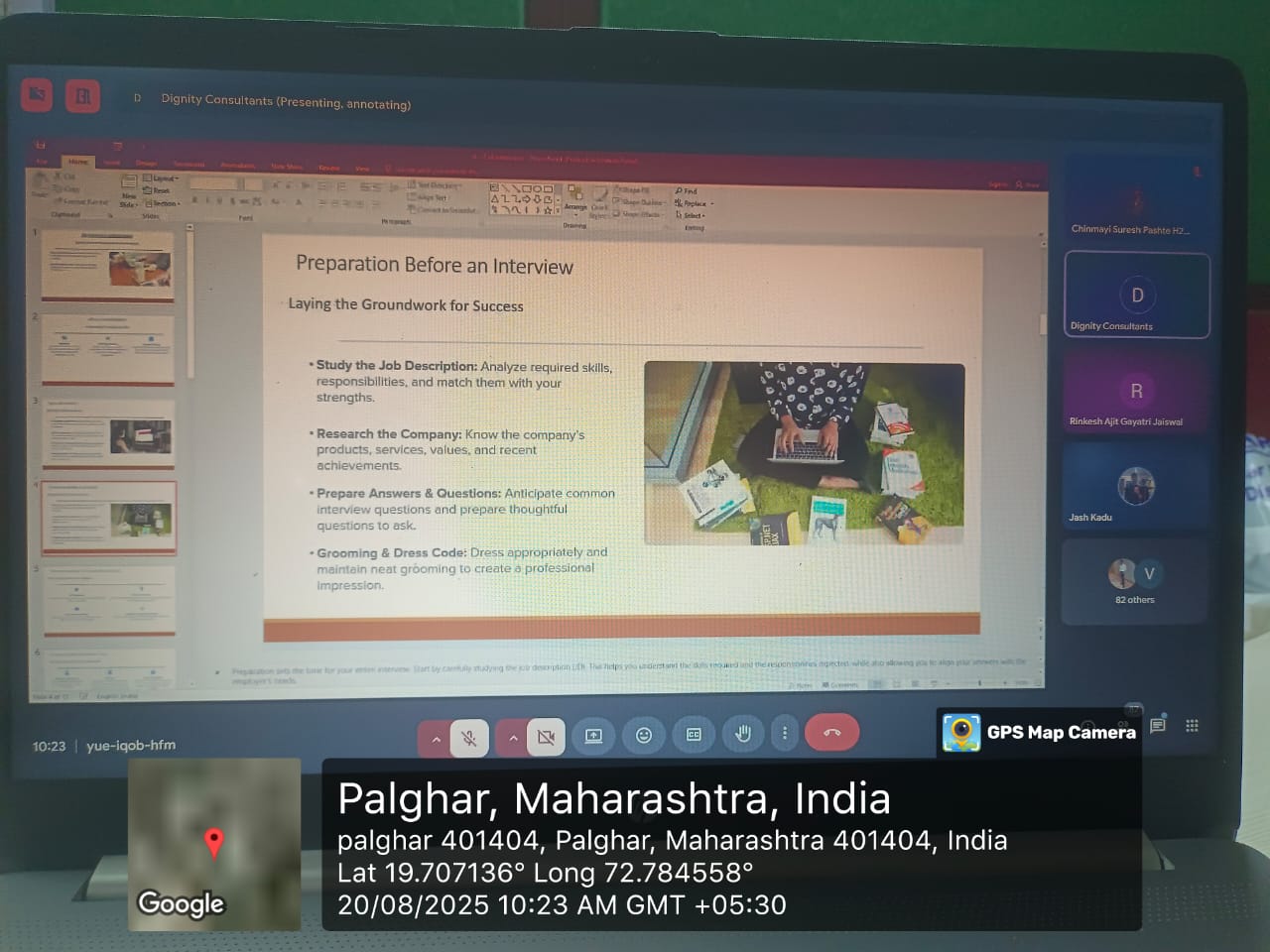
Day 2: Highly interactive with activities such as case studies, quizzes, group discussions, debates, and open sessions with experts. Emphasis was placed on professional communication, workplace ethics, and resume/job interview preparation. The students were given certain problem based cases and later after observing few responses from then a discussion was held. The guidelines were given to prepare a professional resume and to crack interviews.
Day 3: Dedicated to teamwork and collaborative learning through team-building activities, rotating group discussions, and debate practices. Informal feedback was continuously provided to enhance participation and reflection. The focus was given to give students exposure for speaking in group conversations. Role plays were taken to build up their confidence in speaking skills and to understand group dynamics.
Day 4: Activity-based learning covering podcasts, TEDx talks, and mock public speaking exercises. Students explored silence as a tool for focus, gained insights into overcoming stage fright, and analyzed case studies on stress, aggression, and communication challenges. Attendance was recorded across all batches, with interactive sessions fostering holistic development.
Day 5: Introduced advanced concepts such as subconscious programming, resilience during setbacks, achievement-goal alignment, mind-body connection, and relationship-building skills. Emphasis was laid on non-verbal communication and conflict resolution. The students learnt the concept of subconscious mind, relationship building and SWOT analysis.
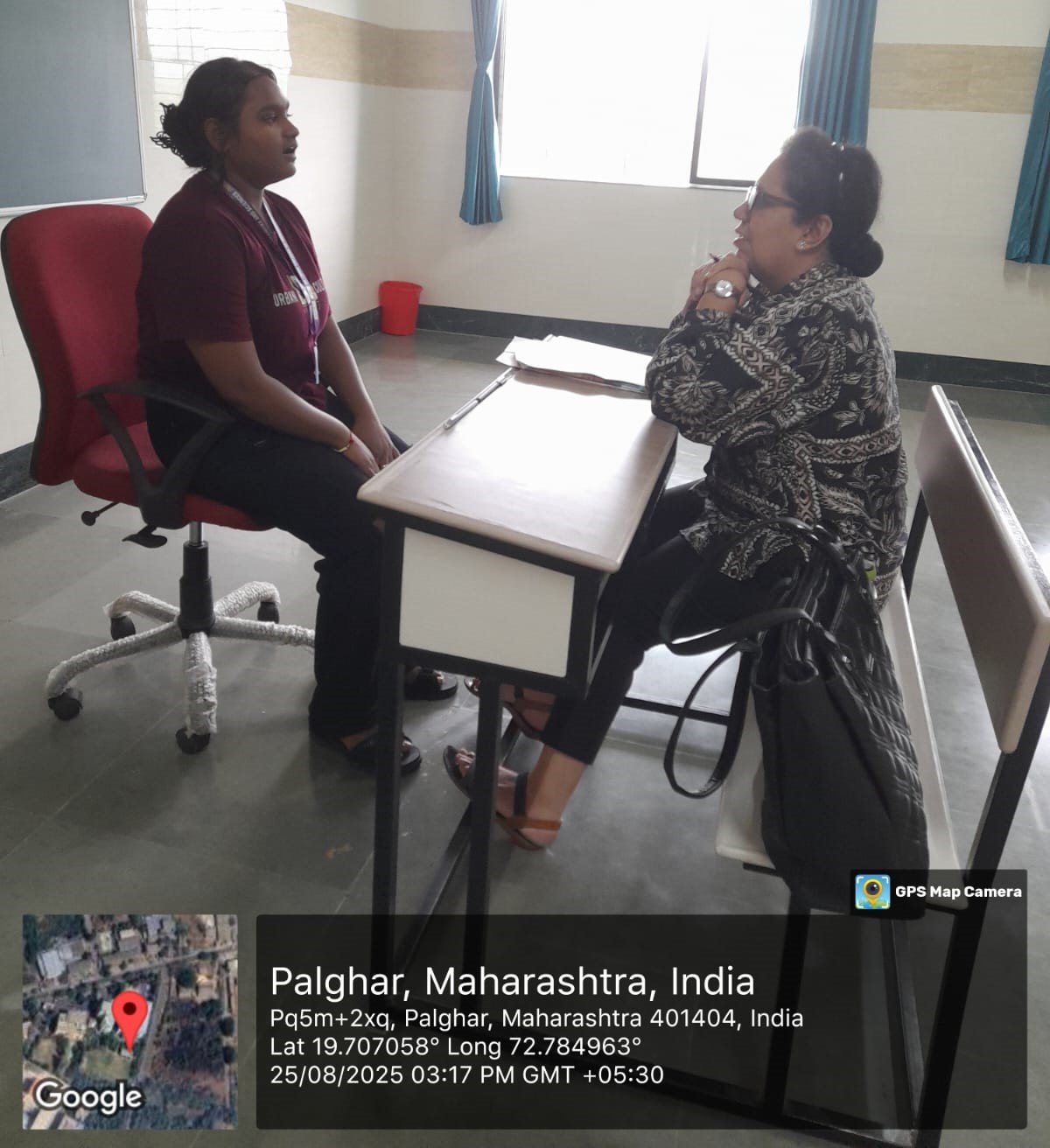
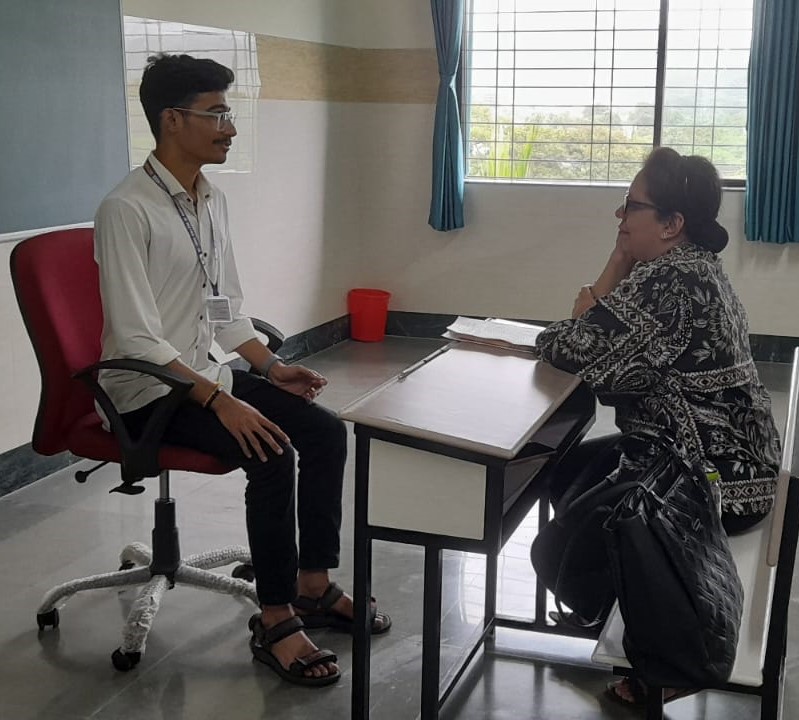
Day 6: The concluding day was devoted to student assessment through group discussions and personal interviews. GD topics ranged from social issues like caste reservation and plastic bans to global challenges such as climate change. Interviews were conducted in parallel, simulating real-world career scenarios. Students displayed confidence, logical reasoning, and professional etiquette.
4. Outcomes: The six-day seminar proved to be a holistic skill development program with measurable outcomes:
- Students gained clarity and confidence in communication, both verbal and non-verbal.
- They developed teamwork, leadership, and collaborative problem-solving skills.
- Exposure to debates, GDs, and public speaking enhanced their critical thinking, articulation, and stage confidence.
- Sessions on emotional regulation, stress management, and resilience contributed to their personal well-being.
- Practical exposure to cover letter writing, resume preparation, and mock interviews bridged the gap between academic learning and career readiness.
- The final assessment reflected a significant improvement in students’ presentation, confidence, professional etiquette, and decision-making abilities.
Conclusion: The six-day seminar successfully achieved its objectives by combining knowledge-sharing, practical activities, and reflective learning. It not only equipped students with interpersonal and professional skills but also prepared them to face real-world challenges with confidence, clarity, and resilience. The program stands as a comprehensive initiative fostering holistic student development.